Geometry Books
几何之书
《几何之书 I, II》
艺术家书,手绘,两卷
2017
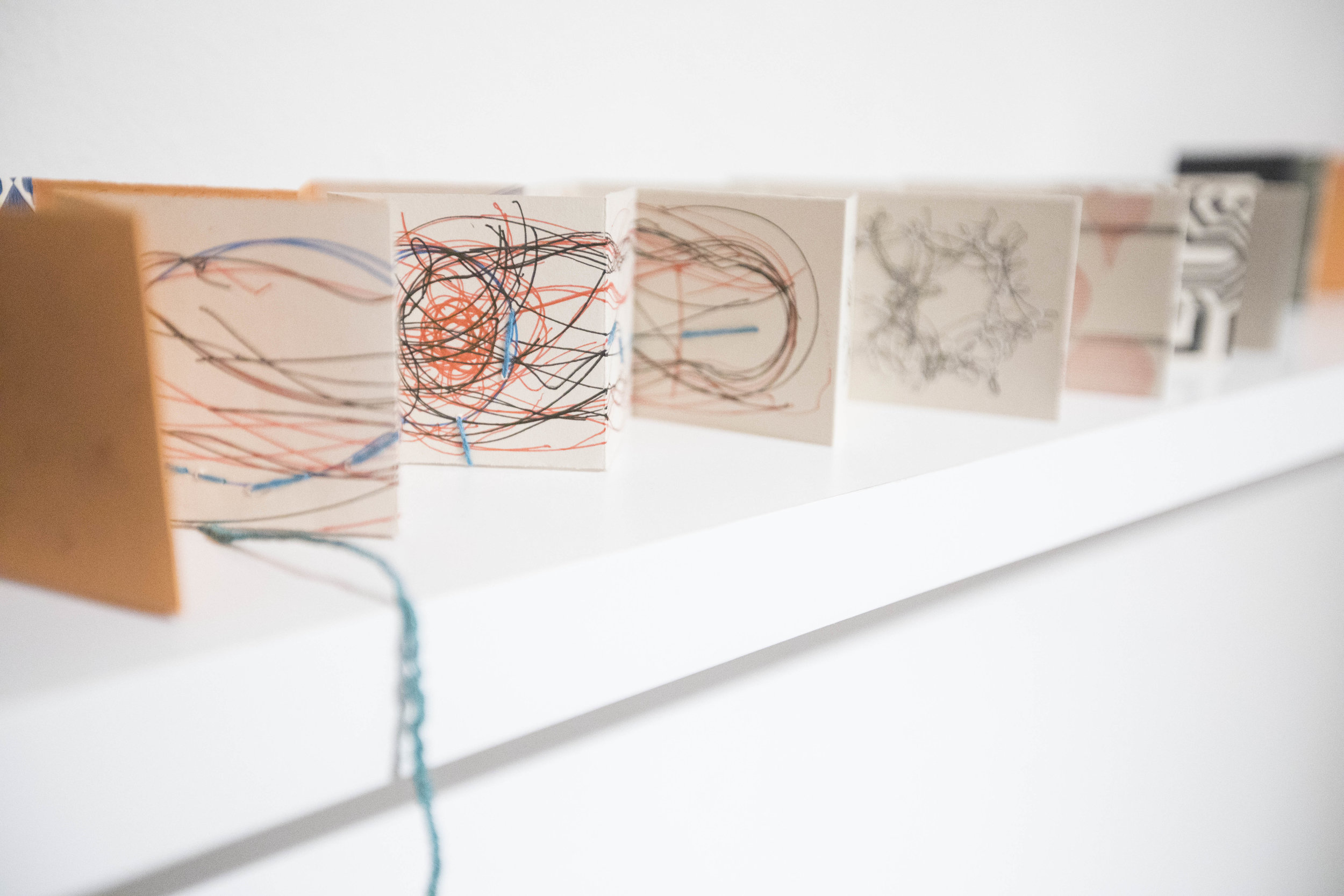
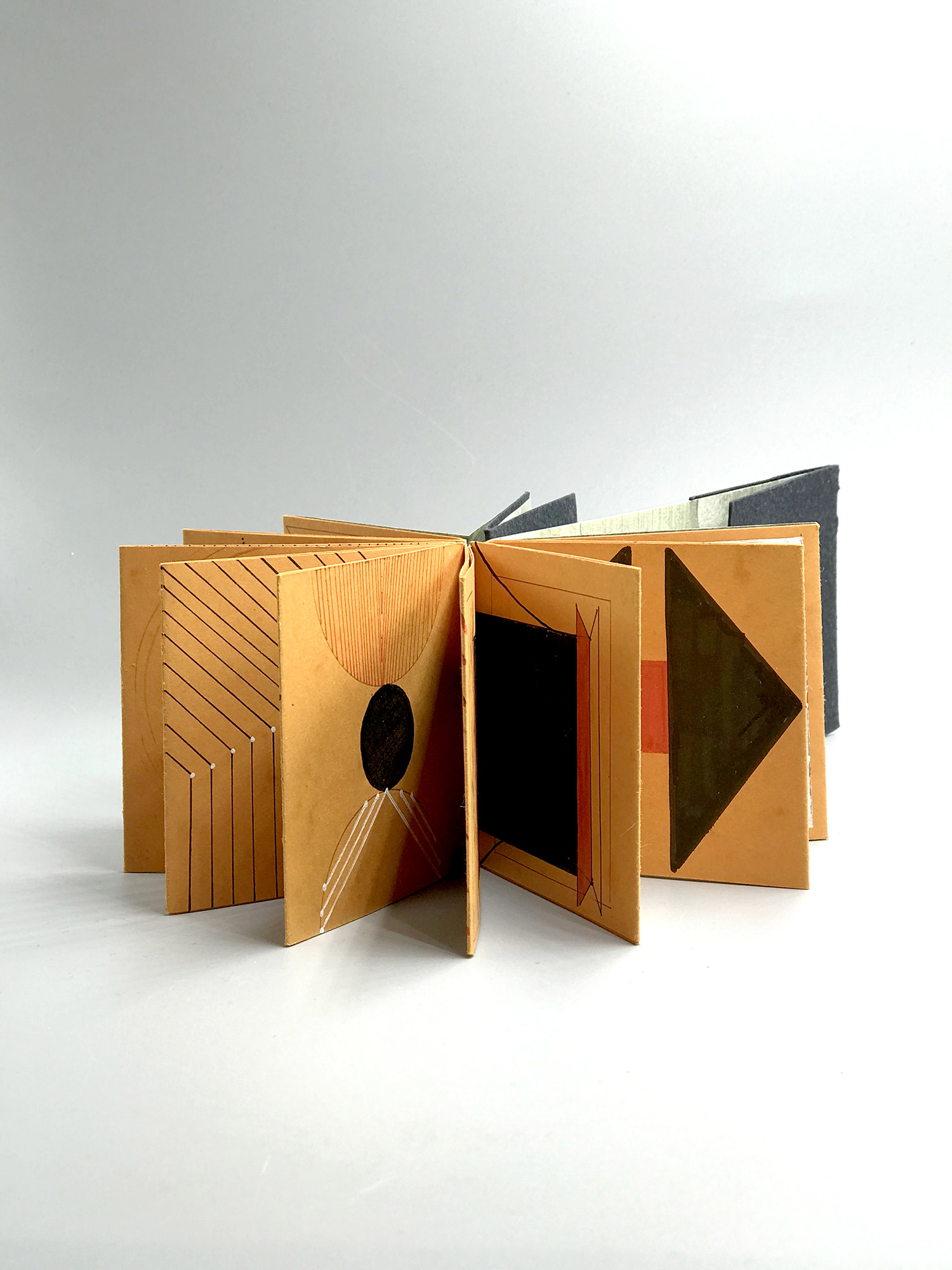
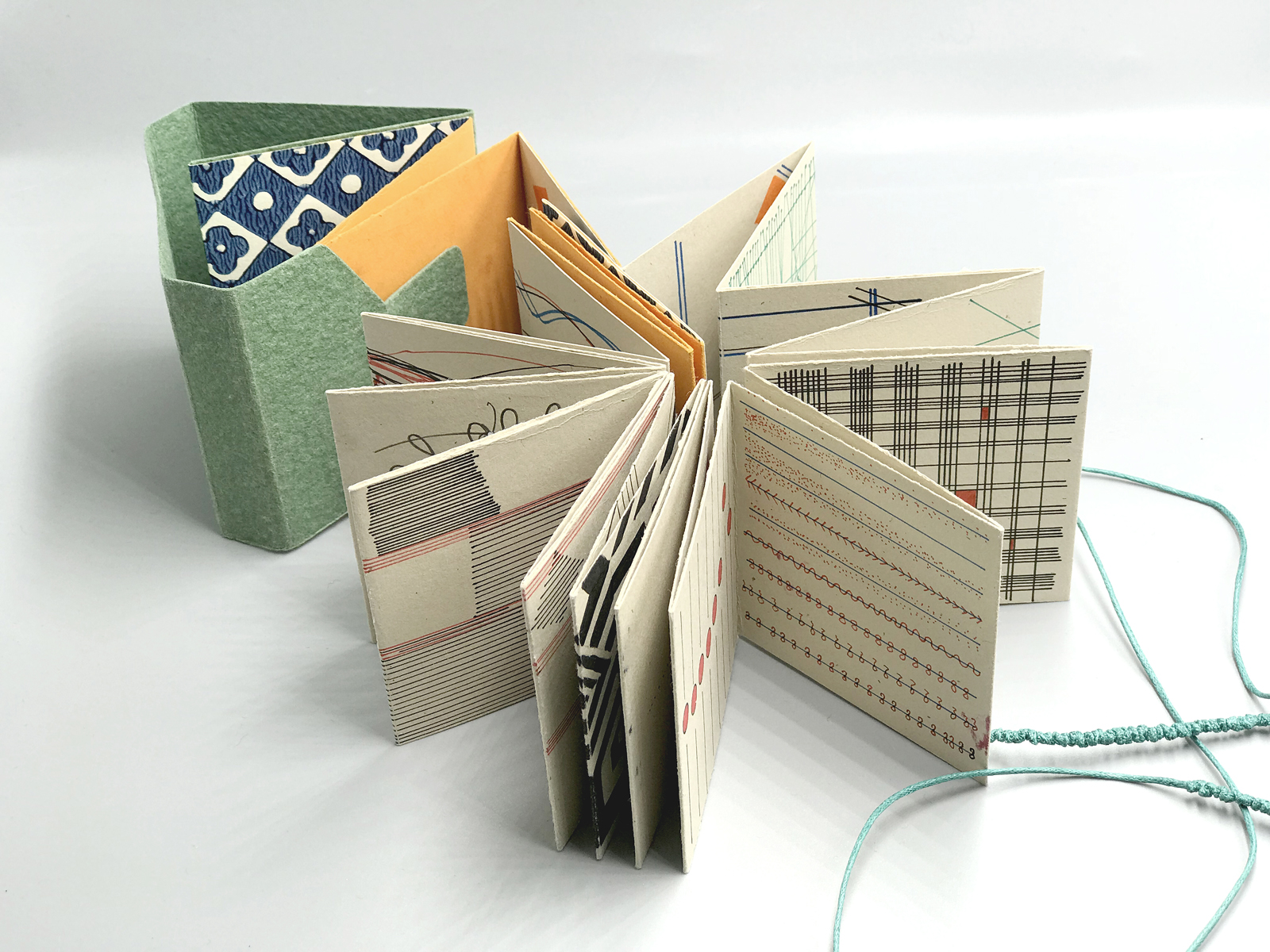
《几何之书 I, II》是对二维与三维世界关系的沉思。刘唱基于计算机生成图形的提取,以及对“不可能物体”的研究,绘制了这两卷手风琴装帧的书籍,以此向艺术家书领域的先驱索尔·勒维特与莉吉娅·帕佩致敬。
索尔·勒维特是观念艺术的奠基人之一,他将艺术家的书视为观念传播的重要媒介——1967年,他为《Aspen》杂志设计的《序列计划1号》,以20×20厘米的书页探索了序列几何组合的无限可能 。勒维特相信,书不是绘画的复制品,而是观察同一观念的镜像与不同视角 。
莉吉娅·帕佩作为巴西新具体主义运动的共同创始人,她的创作始终在几何抽象与感官体验之间寻找通道。从1950年代的木刻版画《Tecelares》(意为“编织”)到后来的《创造之书》,帕佩将几何形式转化为一种“磁化空间”——既精确,又充满生命气息 。
手风琴装帧为这本书提供了游戏般的结构——读者可以自由折叠、重组,让每一页的几何图案不断生成新的组合。书籍不再是固定的叙事,而成为一个可操作的装置,一个可以被触摸的几何游戏。
《几何之书 I》的内页如下所示。
《几何之书 II》的内页如下所示。
Geometry Book I, II
Artist Book, Hand-drawn, Two Volumes
2017
Geometry Book I, II is a meditation on the relationship between the two-dimensional and three-dimensional worlds. Liu Chang drew these two accordion-folded books based on research into computer-generated graphics and impossible objects, paying homage to the pioneers of the artist's book form: Sol LeWitt and Lygia Pape.
Sol LeWitt, a founding figure of Conceptual art, championed the artist's book as a vital medium for disseminating ideas. In 1967, he contributed Serial Project No. 1 to Aspen magazine—a 12-page, 20×20 cm book exploring the infinite permutations of serial geometric compositions . LeWitt believed that the book was not a mere copy of a painting, but "a mirror and a different point of view from where observing the same idea" .
Lygia Pape, a co-founder of Brazil's Neo-Concrete movement, continually sought to bridge geometric abstraction with sensorial experience. From her 1950s woodcut series Tecelares (meaning "weavings") to her Book of Creation, Pape transformed geometric form into what she called "magnetized space"—precise, yet alive with breath .
The accordion structure invites a playful interaction—readers can fold, unfold, and reconfigure the pages, allowing geometric patterns to generate endless new combinations. The book is no longer a fixed narrative, but a manipulable object, a geometric game to be touched.
Geometry Book I is previewed below.
Geometry Book II is previewed below.